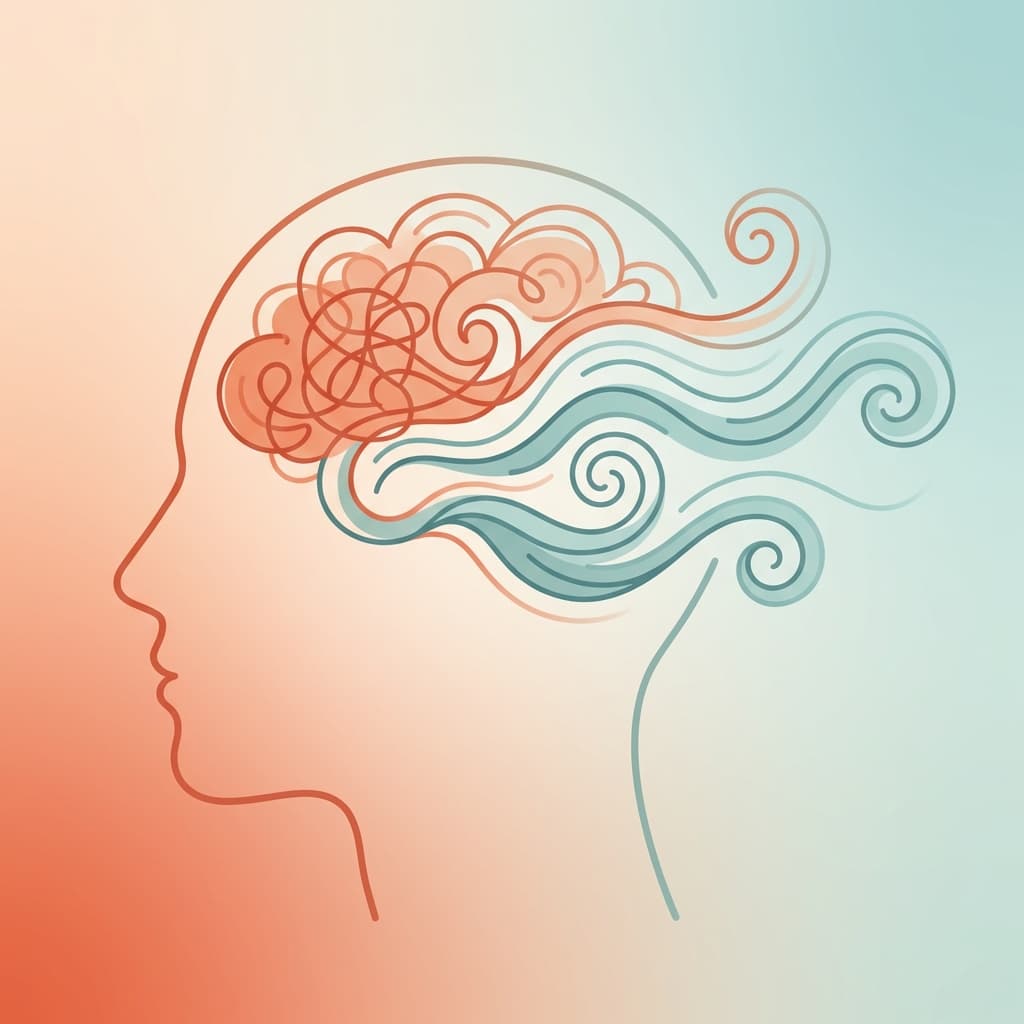
Anxiety often feels random. One minute you are fine, the next you are spiraling in the grocery store aisle. But it is rarely random. It is a Pattern.
In therapy terms, triggers are the Inputs; anxiety is the Output. If you can identify the input, you can change the outcome. But first, you have to find it.
Therapists are great at this, but expensive. Here is how to play detective with your own mental health for free.
Level 1: The "HALT" Protocol (Biological Triggers)
Before you analyze deep childhood trauma, check your biology. 50% of "anxiety" is just a physical need screaming for attention.
When you feel a spike of panic, ask: "Am I HALT?"
- Hungry?
- The Science: Low blood sugar (hypoglycemia) prompts the release of adrenaline, which feels exactly like a panic attack.
- The Fix: Eat protein (nuts, cheese, meat) immediately.
- Angry?
- The Science: Unexpressed frustration turns inward and becomes anxiety.
- The Fix: Vent it appropriately (journal or exercise).
- Lonely?
- The Science: Humans are pack animals. Isolation increases threat perception.
- The Fix: Send one text. Hear a human voice.
- Tired?
- The Science: Sleep deprivation destroys the Amygdala's connection to the Prefrontal Cortex, making emotional regulation impossible.
- The Fix: Stop working. Nap or rest.
Level 2: The "ABC" Log (Pattern Recognition)
Use this CBT technique for 3 days. Keep a note on your phone. Every time your mood drops or anxiety spikes, log these three things:
- A (Antecedent): What just happened?
- Example: "Got an email from Boss" / "Saw ex on Instagram" / "Walked into a messy kitchen."
- B (Behavior): What did I do?
- Example: "Shut down laptop" / "Ate a donut" / "Scrolled TikTok for an hour."
- C (Consequence): How did I feel after?
- Example: "Guilty" / "More anxious" / "Numb."
The Detective Work: After 3 days, look for the Antecedents that repeat.
- Is it always 2 PM? (Need a snack).
- Is it always after talking to your mom? (Boundary issue).
- Is it always when the house is messy? (Sensory overload).
Level 3: Hidden Triggers
Sometimes the trigger is invisible.
1. Caffeine Sensitivity
Caffeine is liquid anxiety for some people. It mimics the "Fight or Flight" response (raised heart rate, jittery hands).
- The Test: Switch to Decaf for 3 days. See if the "random" panic stops.
2. Sensory Overload
Do you snap when the TV is loud or the lights are bright? You might have high sensory sensitivity.
- The Fix: Create a Calm Space where you can decompress.
3. The "Sunday Scaries" (Transition Anxiety)
Moving from "Weekend Mode" (Freedom) to "Work Mode" (Structure) is jarring.
- The Fix: Build a routine for Sunday evenings so you aren't just sitting there waiting for Monday to hit you.
Conclusion
You are not "crazy." You are a biological machine reacting to stimuli. By identifying the buttons that launch your anxiety, you can start to build covers over them.
Try This Today: Next time you feel "randomly" anxious, say out loud: "Am I Hungry, Angry, Lonely, or Tired?"
Next Read:
Budget Wellness Editorial
Wellness Researcher
Specializing in zero-cost mental wellness strategies and breathing techniques.
Join Our Wellness Community
Get one daily, zero-cost wellness habit delivered straight to your Telegram. No noise, just peace.
Join Telegram Community