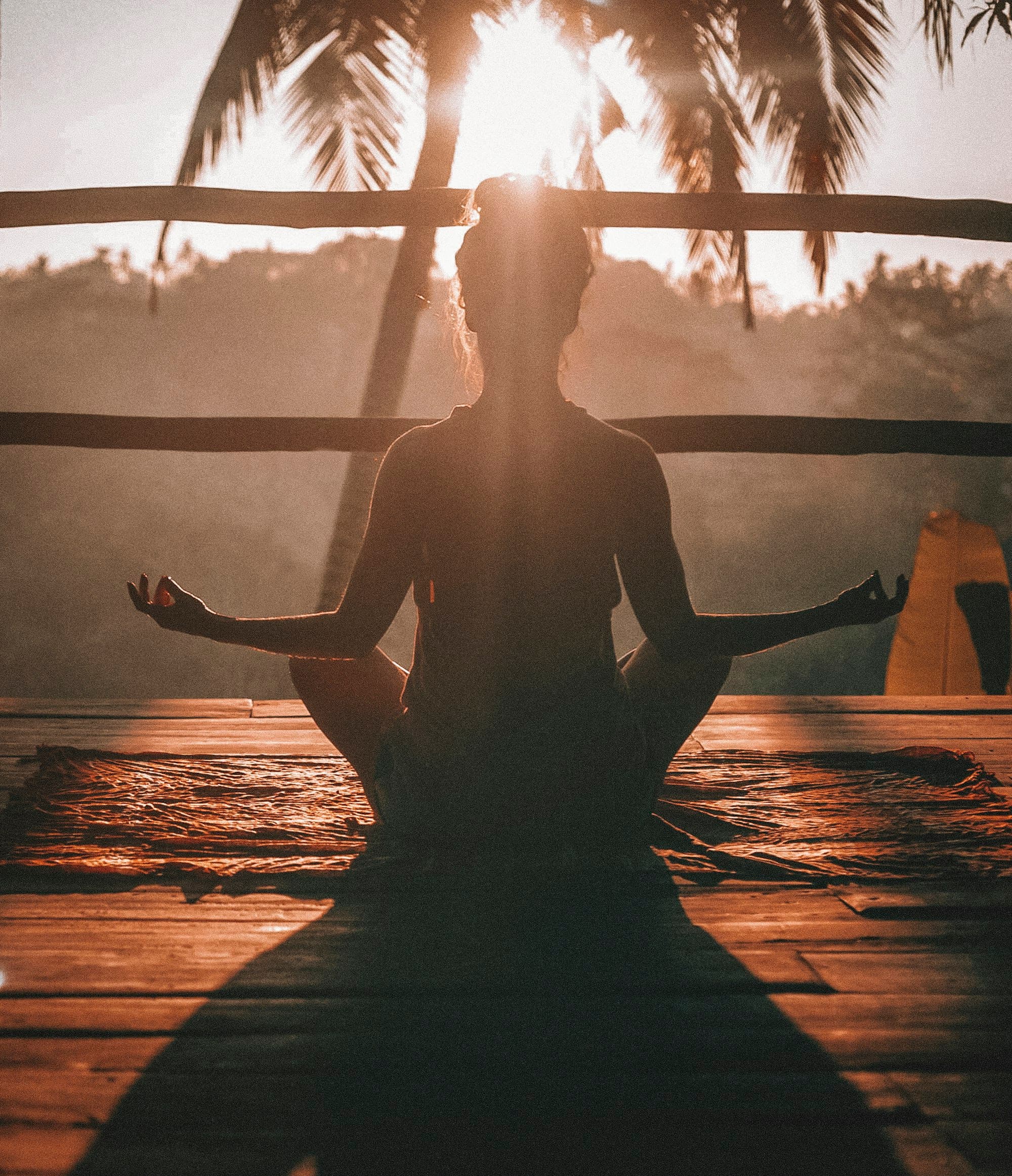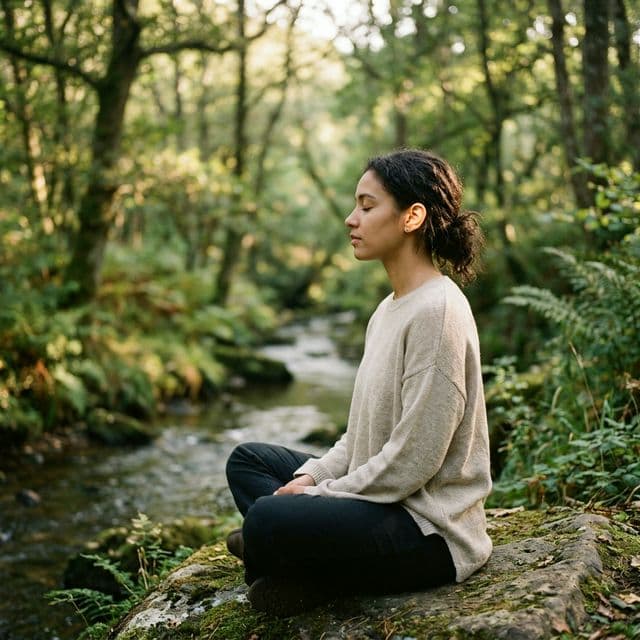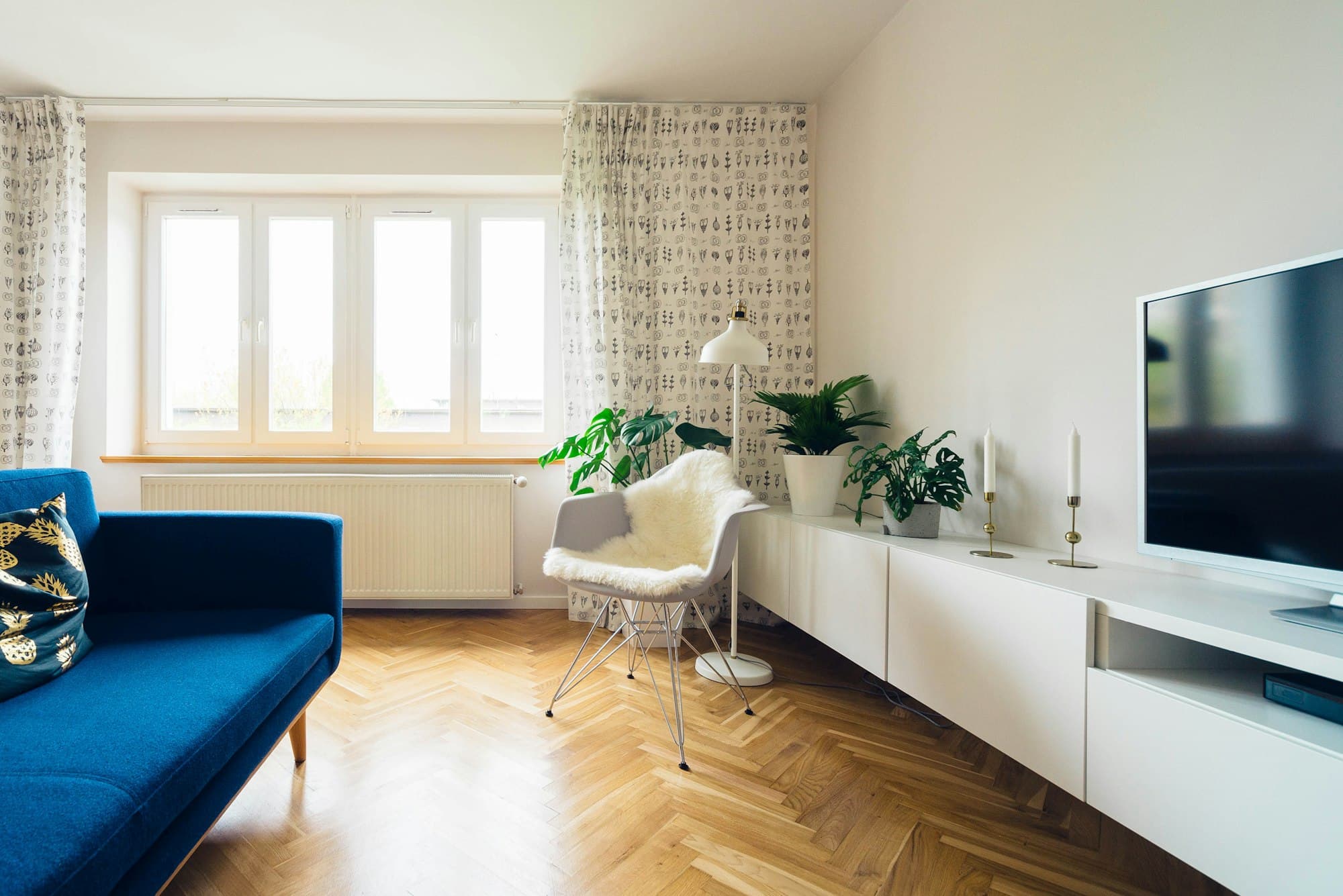
Instagram wants you to believe that a "calm space" requires a West Elm sofa, a Himalayan salt lamp, and a $200 essential oil diffuser. It doesn't.
Calm is not a purchase. Calm is the absence of visual noise.
Our brains are constantly processing every item in our visual field. A cluttered table sends frequent low-level distress signals: "Clean me. Organize me. Move me." This creates a background hum of anxiety called "Visual Noise."
To create a sanctuary, you simply need to quiet the room. Here is how to use the principles of Sensory Design to transform your current home into a retreat, without spending a penny.
1. The Strategy of Subtraction
The Concept: Reduce cognitive load by removing visual stimuli.
Look at the room you spend the most time in. What 3 things are visible but unnecessary?
- Old mail on the counter?
- A stack of books you aren't reading?
- Shoes by the door?
- Cords tangled on the floor?
The Action: Move them completely out of sight. Put them in a drawer. A clear surface instantly lowers cortisol. Empty space is the ultimate luxury.
2. Lighting Architecture (The Kelvin Rule)
The Concept: Light controls your circadian rhythm.
Most homes make the mistake of using the "Big Light" (overhead ceiling light) at night. This is often harsh, overhead, and casts unflattering shadows. It mimics the sun at noon, keeping your brain in "Work Mode."
The Action:
- The 7 PM Rule: Never use the overhead light after 7 PM.
- Pools of Light: Use lamps placed at eye level or lower. This creates "pools" of calm. A lamp beside a chair creates a cozy vignette that invites you to sit.
- Warmth: Ensure your bulbs are "Warm White" (2700K - 3000K), not "Daylight" (5000K+).
3. Sensory Anchoring (Smell & Touch)
The Concept: Anxiety is often visual/mental. Grounding is physical.
You don't need expensive decor. You need texture.
- Touch: Find your softest blanket or a textured pillow. Drape it over the chair you sit in. Texture signals safety to our primate brains.
- Scent: You don't need a diffuser. Simmer a pot of water on the stove with a lemon peel or a cinnamon stick. Or simply open a window to let fresh air (negative ions) in.
4. The "One-Chair" Sanctuary
The Concept: Classical Conditioning (Pavlov).
If you work, eat, and scroll on the same sofa, your brain associates that sofa with stress and stimulation. You need a dedicated "Off Switch" zone.
The Action: Pick one chair, or even one corner of the floor with a cushion. The Boundary: When you are in this spot:
- No phones allowed.
- No work allowed.
- You are only allowed to read, meditate, or stare at the wall.
Over time, your brain will associate this physical location with relaxation. Eventually, just sitting there will lower your blood pressure.
5. View Framing (Prospect & Refuge)
The Concept: Evolutionary Psychology "Prospect and Refuge Theory." Humans feel safest when we have a secure back (Refuge) but a wide view of our surroundings (Prospect).
The Action:
- Move your furniture so your back is against a wall, facing the door or window.
- Never sit with your back to the door (it triggers a subconscious low-level threat detection response).
- If you have a window, face it. Natural light is the best antidepressant.
6. Digital Silence (The Black Mirrors)
The Concept: Tech emits "psychic noise."
TV screens, laptops, and monitors are giant black holes in a room. Even when off, they remind you of entertainment or work. The Action:
- Cover your laptop with a nice cloth when work is done.
- Put the remote control in a drawer, not on the table.
- Making technology invisible stops it from calling to you.
FAQ: Calming Spaces
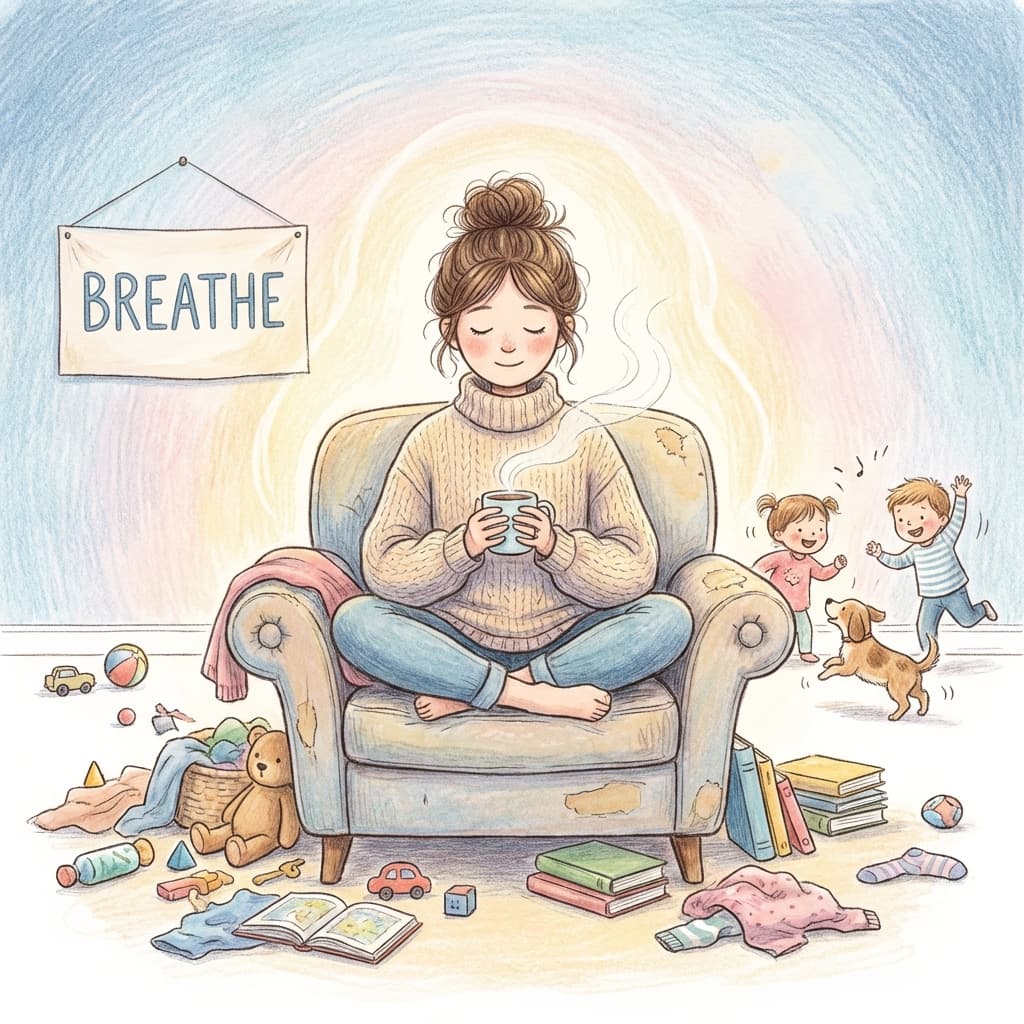
My house is small and cluttered with kids' toys.
Focus on zones. You might not be able to calm the whole house, but you can calm one corner. A "Peace Corner" with one cushion and zero toys is enough.
Does color matter?
Yes. "Visual Noise" is also created by clashing colors. You don't need to paint. Just group items by color. Put all the blue books together. Group the plants together. This "chunking" makes the room look quieter to the eye.
What if I have noisy neighbors?
If you can't control the sound, mask it. Use Brown Noise to create a sonic blanket that covers up the chaotic sounds of the city.
Conclusion
Your home should be your recharge station, not another source of stress. By subtracting clutter, manipulating light, and creating a dedicated "Peace Corner," you can turn even a chaotic apartment into an oasis.
Try This Today: Clear off ONE surface (a coffee table or nightstand) completely. Leave it empty. Notice how it feels to look at it.
Next Read:
Budget Wellness Editorial
Wellness Researcher
Specializing in zero-cost mental wellness strategies and breathing techniques.
Join Our Wellness Community
Get one daily, zero-cost wellness habit delivered straight to your Telegram. No noise, just peace.
Join Telegram Community